Smartphones have evolved a lot in the last 10 years, but one area that has remained constant is durability. The Galaxy S7, released in early 2016, was the first high-end phone to include an IP68 rating for dust and water resistance, and it wasn’t until nearly nine years later that this changed to an IP69 rating with the OnePlus 13 (among other OnePlus and Oppo phones).
At the same time, the smartphone form factor itself has become something completely new. We now have flip phones and phones that fold like a book, but one of the biggest issues preventing their widespread adoption is durability. Despite the fact that many of these devices are tested for hundreds of thousands of folds, consumers are still understandably concerned about the durability of the elements.
The article continues below
IP68 vs IP69?
You’ve probably heard the term IP68 before, but what does the abbreviation mean, and how does IP69 differ from IP68?
IP68 means an Ingress protection rating of 6 (the highest available rating for dust resistance) and 8 (for water resistance). IP ratings range from 1 to 6 for dust resistance and from 1 to 9 for water resistance, and phones can have either rating. It used to be that early foldable phones were only rated IPX6 or IPX8, meaning water resistance but no dust protection.
The main difference between IP68 and IP69 is the type of water resistance they offer. The former is designed to be submerged in water (usually between 1 and 3 meters for 30 minutes or more), making it suitable for general waterproofing and protection in most everyday situations. IP69 increases this further by providing protection from high-pressure, high-temperature jets, including those from dishwashers, washing machines, and steam cleaners. Industrial sanitation and other heavy duty areas.
In short, IP68 protects against conditions such as your phone falling into a lake or being caught in a strong storm. At the same time, IP69 protects your phone from the most dangerous places, most often accidentally putting it in the dishwasher or washing machine without realizing it.
What happens when I ‘accidentally’ put a coil of wire in the washing machine?
I wanted to simulate where you might have accidentally left your phone in your pocket while putting some clothes in the washing machine. To do so, I put the Honor Magic V6 in a hoodie pocket and ran it through a quick wash cycle at 40 degrees Celsius, or about 104 degrees Fahrenheit.
It was just a hoodie and a phone in the washing machine, and I chose this method to limit the damage a phone can do to a metal drum. It turned out that this reduction lasted about 30 seconds, because when the drum started to turn, I heard the sound of the Magic V6 in the drum. This makes the results even more amazing!
45 minutes and a 1,400 RPM spin cycle later, what happened? The Honor Magic V6 has survived, although it was worse for wear!
A photo 1 of 3
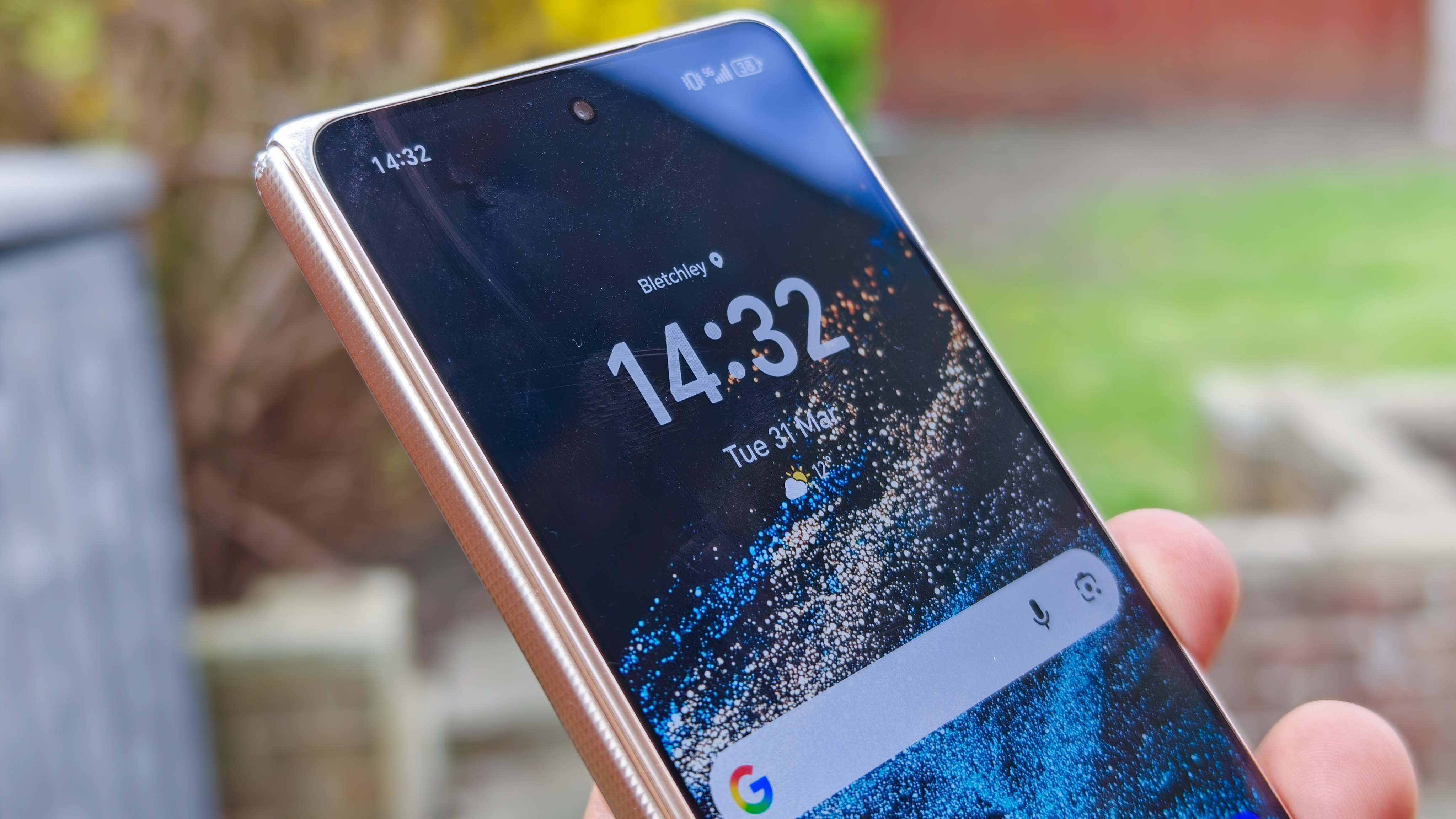
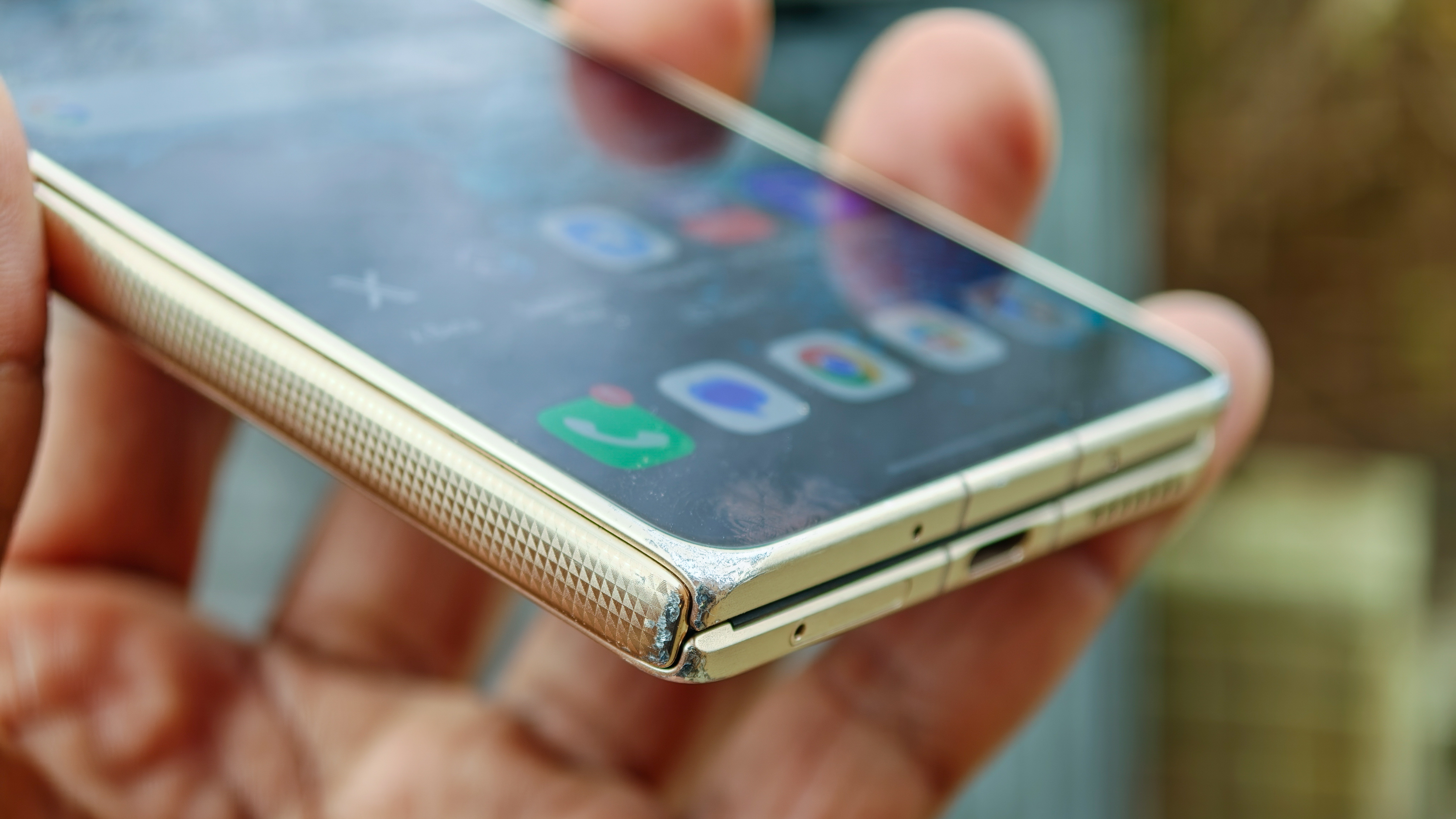
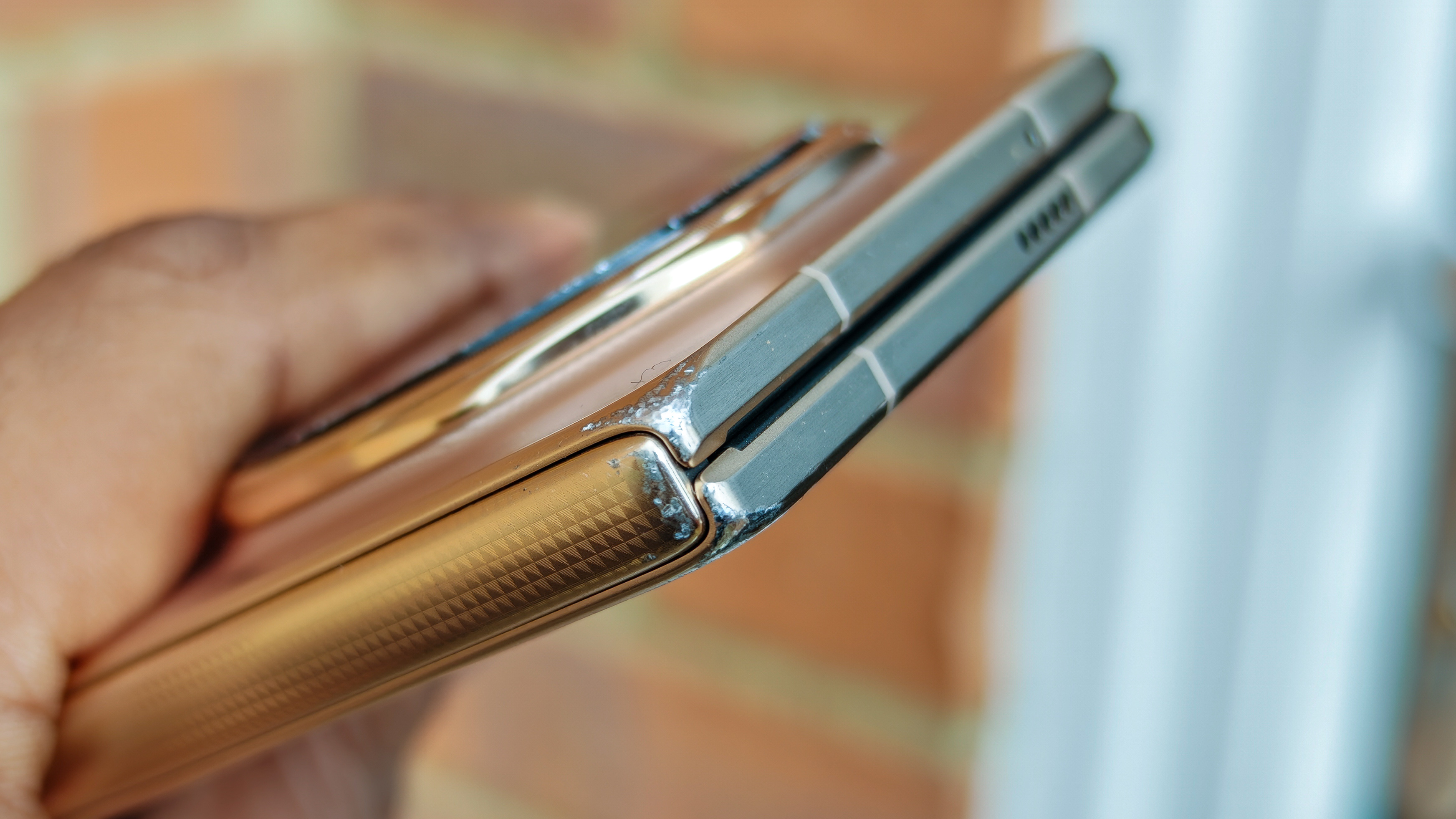
Taking it out of the washing machine with great trepidation, I was surprised to see that the phone worked fine. The front screen is functional and doesn’t look different, but given that this is a foldable phone, the real test was the main internal screen. Here’s where it got really interesting.
A photo 1 of 3
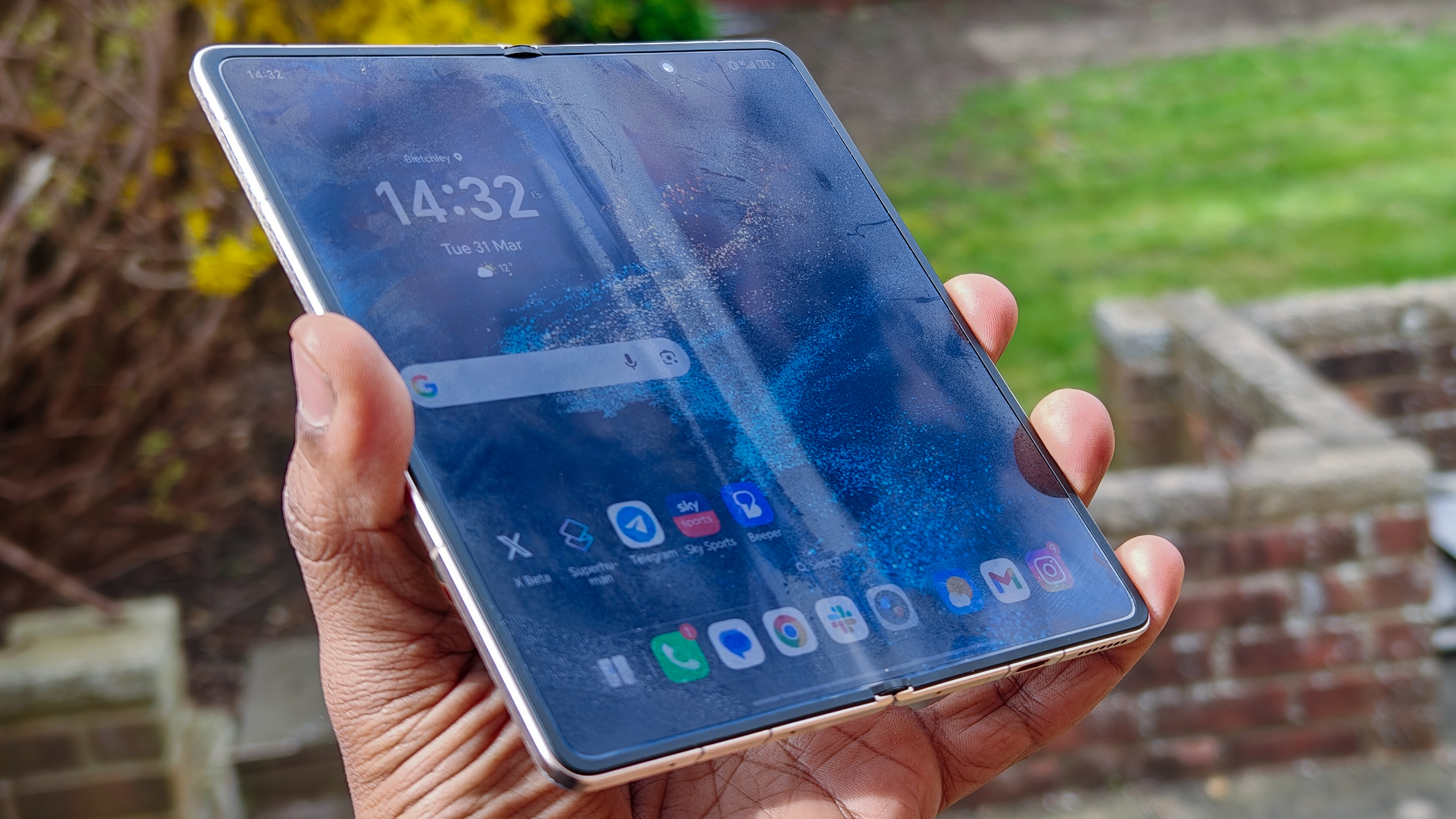
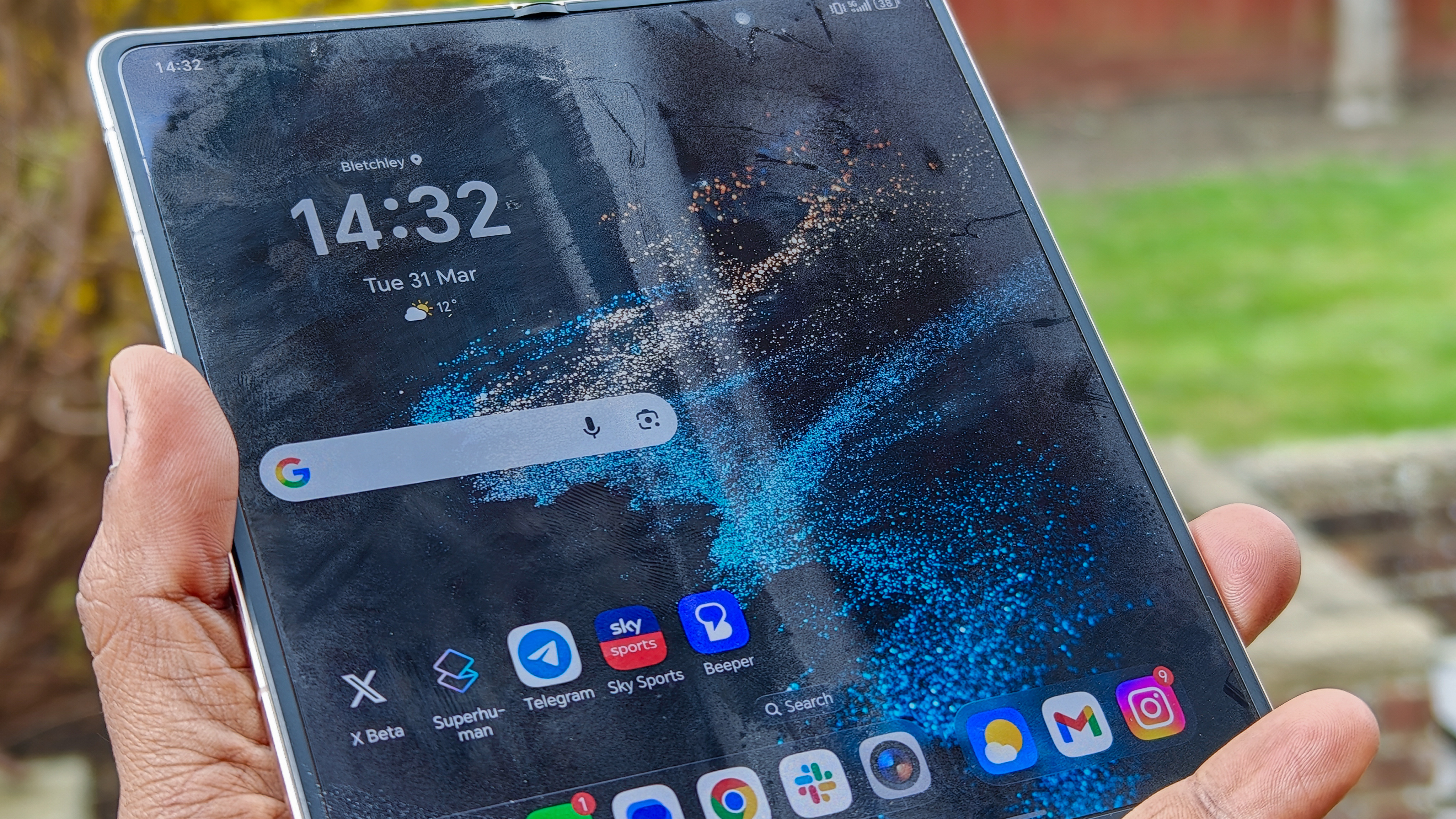
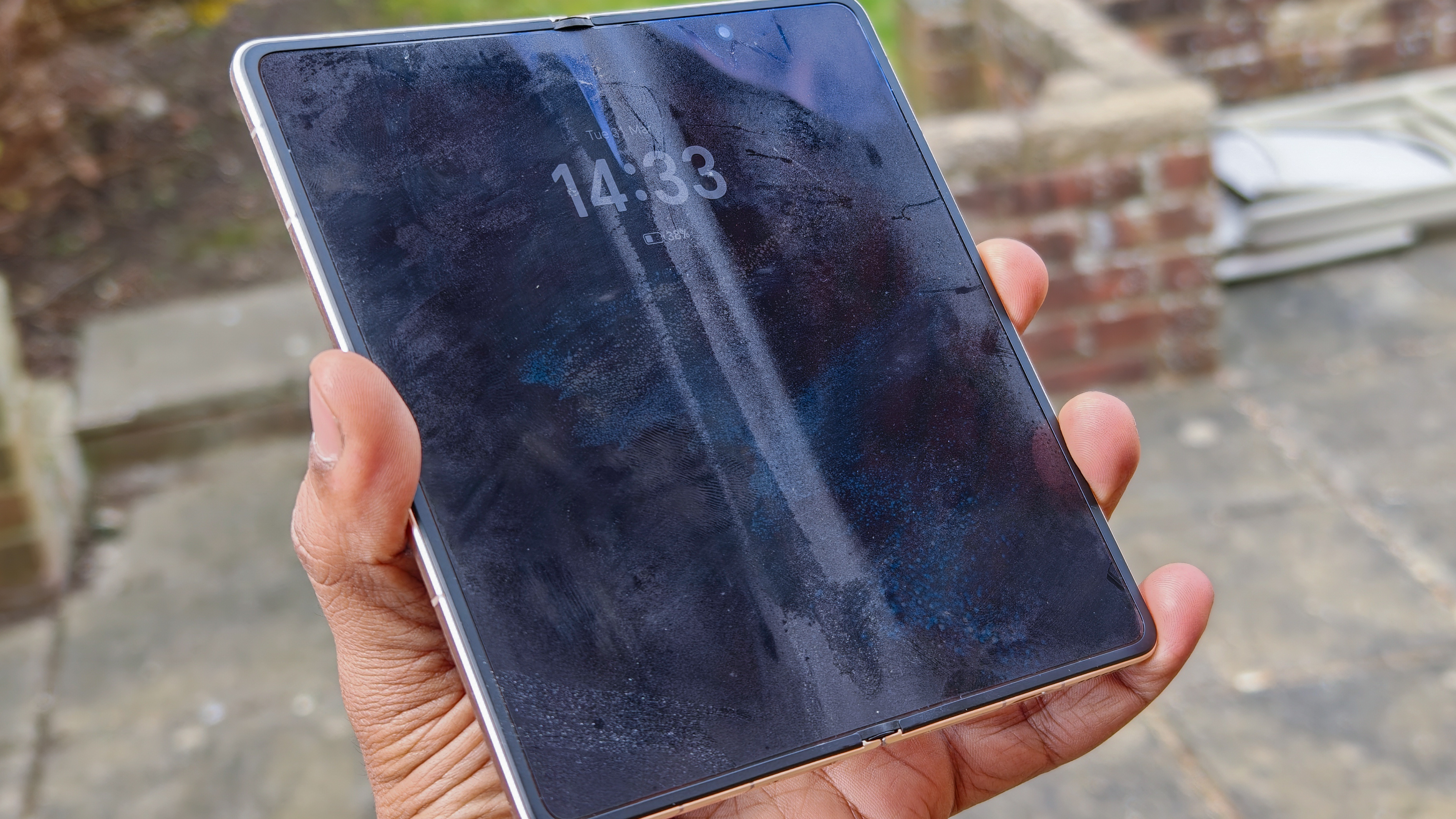
First, there was a slight audible noise when you unveiled the Magic V6, but the display itself remained fine. The only thing that has changed is that there are now some artifacts on the big screen, which reminds us of smartphone water damage a few years ago. But considering that most folding phones use a flexible, plastic-based polymer or Ultra-thin Glass with a plastic layer for the big screen, these artifacts shouldn’t surprise us.
A photo 1 of 2
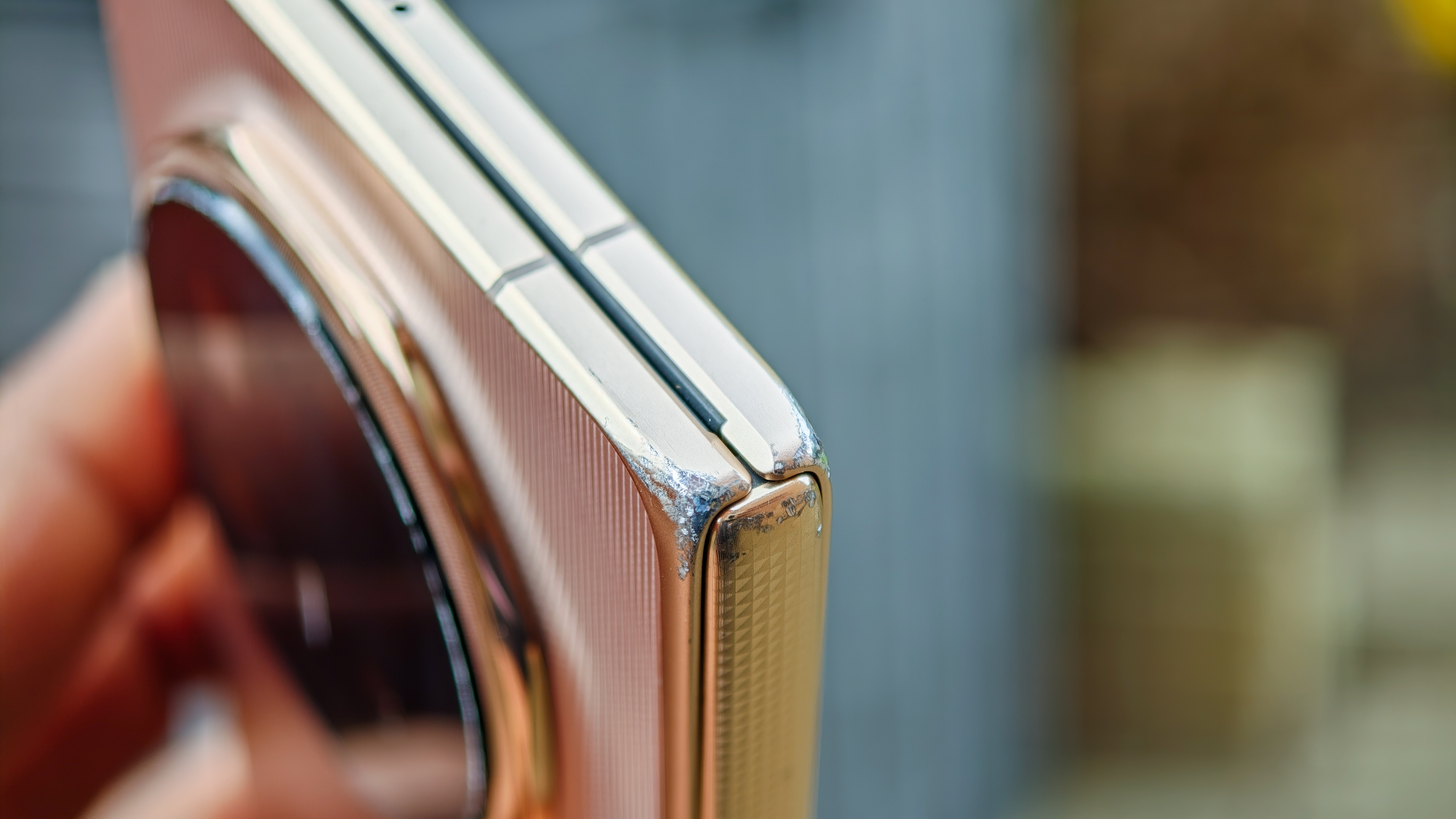
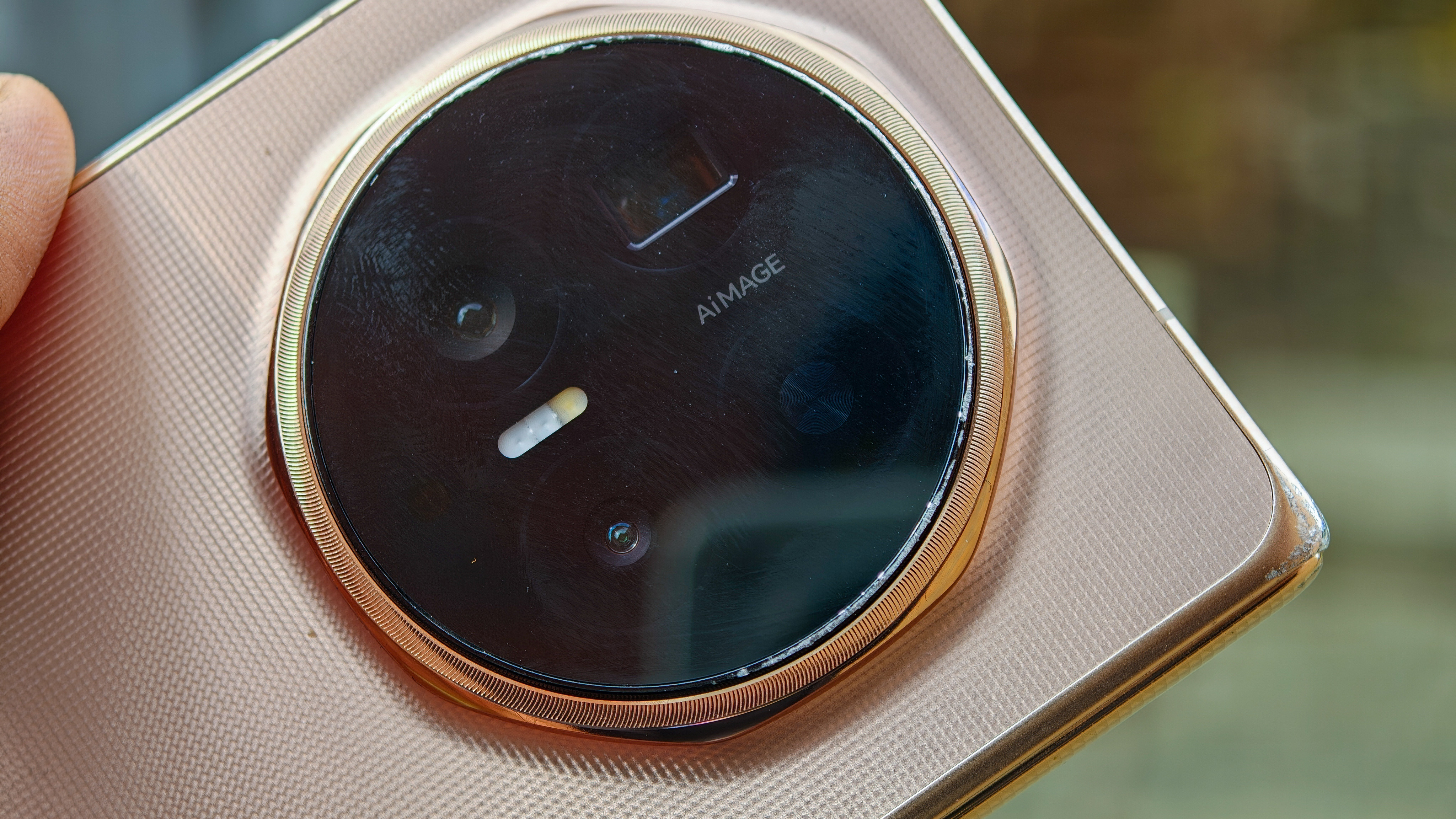
Most importantly, all features of the phone still work. A fingerprint sensor and facial recognition function, even when using the cameras above the big screen. The cameras work very well, but there is some roughness and spots around the edges of the camera island. Speaking of spots and skirmishes, the edges and corners of the fence also have many scratches, where it is clear that it was beating a metal drum.
The results are perfect, with three important takeaways!

I’m very surprised that the Honor Magic V6 survived as well as it did. It is clear that IP69 dust and water resistance is the new standard for every phone manufacturer to follow, especially since it protects against extreme conditions that IP68 does not.
I remember breaking the phone ten years ago by accidentally putting it in the washing machine, but it wasn’t a foldable phone like the Magic V6, and now we know for sure that the Magic V6 can survive an accidental trip through the washing machine if the worst happens.
That said, there are a few important things to note. First, don’t do this on purpose. I’m using a review sample that Honor gave me last month, and I did this test knowing that, whatever happens, the company will eventually replace this unit. They haven’t seen the content of this article, but if this was the phone I had bought, I would be upset about the whole situation. That’s not Honor’s fault – and the damage would have been much less on the edges if it was a fully clothed machine – but it’s still worth keeping in mind.

The second big takeaway is that this test proves that foldable phones are just as durable as regular phones. Yes, this wasn’t a sandstorm, but a washing machine is a tough place for any electronics, and the fact that a foldable phone survived despite this treatment is a testament to its durability, Honor’s design, and the longevity of the foldable category as a whole.
The third big takeaway is obvious: IP69 is now a standard we should expect from the best foldable phones. Rival devices like the Google Pixel 10 Pro Fold offer IP68 dust and water resistance, but Honor has managed to pack IP69 protection into a body that’s much thinner and lighter than the flagship Google Pixel phones and most flagship Android phones. There’s little excuse for companies not to do the same going forward, in folding phones or otherwise.
Follow TechRadar for Google news again add us as a favorite resource to get our expert news, reviews, and opinions in your feed. Be sure to click the Follow button!
And of course you can too follow TechRadar on TikTok to get news, reviews, unboxings in video form, and get regular updates from us WhatsApp again.


