A strength coach shares five chair-based moves that rebuild hip strength after 60.
Sometimes the best way to improve is to keep things simple and meet your body where it is. For example, using an exercise chair does just that. It gives you a stable, comfortable setup that allows you to focus on how your hips move and work without additional distractions. Instead of worrying about balance or getting up and down from the floor, you can focus on quality reps and better control. That change alone often leads to more productive sessions and better communication with the muscles you’re trying to train.
Hip strength plays a big role in how you go about your day, from walking and turning to standing and staying balanced. When the hips are working properly, everything tends to feel connected and work well. I’ve seen this firsthand with clients who start incorporating simple seated movements into their routine. Their steps become smoother and their balance improves, while they begin to walk with more confidence as the right muscles finally do their job.
These chair-based exercises are not meant to replace your workout. They are there to support them and keep your hips active during the sessions. Think of them as an easy way to build strength, improve coordination, and build consistency without adding extra complexity. The five moves below are designed to help you move better, feel stronger, and keep making progress in a way that feels manageable and effective.
Sitting in the Hip Marches
The seated hip march is a simple but effective way to strengthen the hip flexors while strengthening core control. As you lift one knee at a time, your hips work to drive the movement while your core keeps your torso strong and straight. That combination helps build strength in a progressive way with walking and pedaling. With consistent practice, the movements begin to feel smooth and natural.
Muscles Trained: Hip flexors, quads, and core stabilizers.
How to do it:
- Sit tall with your feet on the floor.
- Brace your spine and keep your chest straight.
- Raise one knee towards your chest.
- Lower it back down with control.
- Change sides in a consistent rhythm.
Recommended Sets and Reps: Do 3 sets of 20 repetitions. Rest 30 seconds between each set.
Best Variation: Slow tempo march, slow stop march, alternate holding.
Form Tip: Keep your torso tall and avoid leaning back.
Seated Leg Extensions
Seated leg extensions help build strength in the front of the thighs while supporting stability in the knees and hips. As you extend your leg, the quads share control of the movement while the hip remains stable. This creates a smooth, controlled action that tightens the entire chain. Over time, this improved control supports stronger, more confident movements during walking and standing.
Muscles Trained: Quads and hip stabilizers.
How to do it:
- Sit tall with your feet on the floor.
- Place your hands on your lap.
- Extend one leg straight.
- Pause at the top.
- Lower your leg back down and switch.
Recommended Sets and Reps: Do 3 sets of 12 to 15 repetitions on each side. Rest 30 seconds between each set.
Best Variation: Slow tempo extensions, pause extensions, alternating holds.
Form Tip: Fully extend your leg while maintaining control.
Seated Hip Abduction
Seated hip abduction strengthens the outer hips, which play an important role in stabilizing your body during movement. As you press your legs out, the hip muscles engage to control and direct the movement. This helps improve balance and keeps your hips stable during walking. Many people realize that this exercise activates muscles that are often neglected. With consistent practice, it contributes to a more stable and confident gait.
Muscles Trained: Hip abductors and glutes.
How to do it:
- Sit tall with your feet on the floor.
- Place your hands on your lap.
- Press your knees outward.
- Pause at the last distance.
- Return to the starting position with control.
Recommended Sets and Reps: Do 3 sets of 12 to 15 repetitions. Rest 30 seconds between each set.
Best Variation: Belted abduction, slow-tempo abduction, temporary abduction.
Form Tip: Control the movement both outward and inward.
Sitting on his knees
Sitting driving knees strengthen the hips while encouraging a more dynamic movement pattern. As you drive your knee up, the hip flexors engage while the spine works to stabilize your body. This creates a joint effort that reflects how your body moves while walking or climbing stairs. The rhythm of movement helps develop both strength and coordination. Over time, it supports smoother and more confident movements.
Muscles Trained: Hip flexors, quads, and core stabilizers.
How to do it:
- Sit tall with your feet on the floor.
- Brace your spine and keep your chest straight.
- Drive one knee up.
- Lower it back down with control.
- Change sides in a consistent rhythm.
Recommended Sets and Reps: Do 3 sets of 20 repetitions. Rest 30 seconds between each set.
Best Variation: Slow tempo driving, pause driving, alternate holding.
Form Tip: Raise your knee with control rather than momentum.
Sitting Figure Four Press
The seated figure 4 press helps open the hips while strengthening the muscles that support stability and control. As you gently press your knee down, the hip muscles engage to direct the movement and maintain alignment. This combination of strength and mobility helps improve hip function during daily activities. Many people find that this exercise helps them feel more freedom of movement in the hips, and with regular practice, supports both strength and comfort.
Muscles Trained: Glutes, hip rotators, and stabilizers.
How to do it:
- Sit tall and cross one ankle over the opposite knee.
- Place your hands on your top knee.
- Gently press your knee down.
- Hold briefly in the last distance.
- Return to the starting position and switch sides.
Recommended Sets and Reps: Do 3 sets of 10 to 12 repetitions on each side. Rest 30 seconds between each set.
Best Variation: Firm grip, light pressure, alternating grip.
Form Tip: Keep your chest straight and avoid leaning too much.
Simple Habits That Help Build Stronger, Stronger Hips After 60
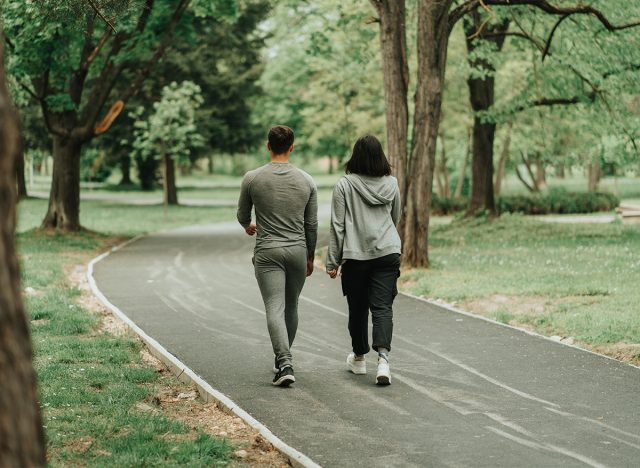
Building a strong waist doesn’t require a complete overhaul of your routine. It often comes down to strengthening the work you’re already doing with small, consistent habits that support strength and stability. When these practices become part of your day, your hips respond by feeling stronger, more reliable, and easier to move.
- Use these exercises as a supplement: Add them to your routine to get stronger without changing your main workout.
- Keep up with the movement: Regular practice helps the hips align and build strength over time.
- Focus on quality reps: Controlled movement improves muscle function and coordination.
- Stay active all day: Walking and light work helps maintain hip strength and mobility.
- Continue step by step: Small increases in reps or resistance keep your muscles improving.
- Support your body with the right food: Eating enough protein helps maintain and build muscle.
- Pay attention to how your body feels: Adjust the intensity as needed while staying consistent with the movement.
References
- Klempel, Natalie et al. “The Effect of Seat-Based Exercise on Physical Activity in Older Adults: A Systematic Review and Meta-Analysis.” International journal of environmental research and public health vol. 18,4 1902. 16 Feb. 2021, doi:10.3390/ijerph18041902
- Schumacher, Leah M et al. “Consistent exercise duration as a strategy to increase physical activity: A feasibility study.” Translational Journal of the American College of Sports Medicine vol. 8,2 (2023): e000227. doi:10.1249/tjx.0000000000000227


